
 24/7 Emergency Service
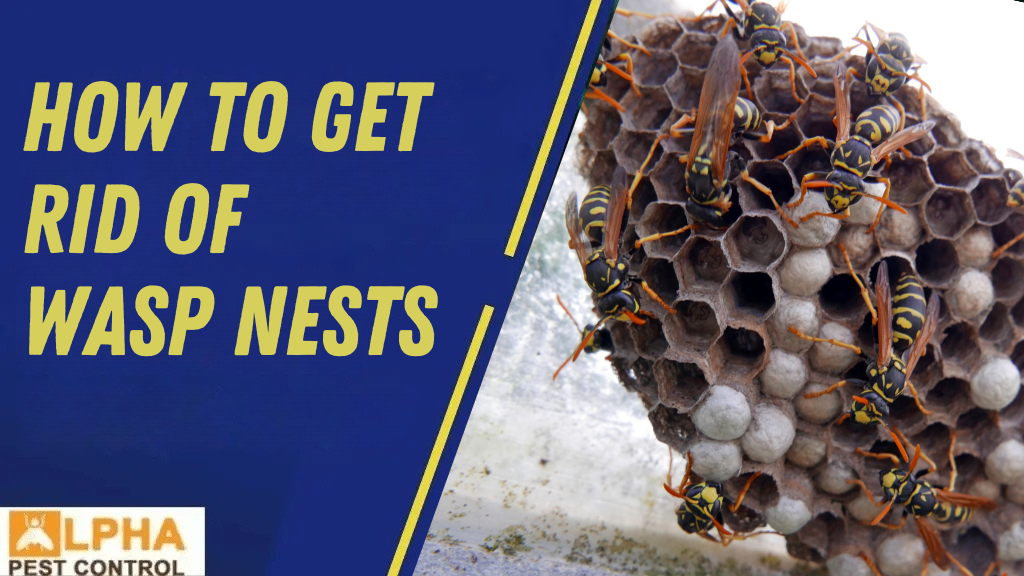
Wasps can quickly turn a safe and comfortable home into a stressful environment. Their aggressive behaviour, painful stings, and tendency to build nests close to human activity make them a serious concern for Australian households. When wasps begin nesting on your property, acting early is essential. This guide explains everything you need to know about wasp nest removal, how to spot early warning signs, and how to keep wasps away long term.
How to get rid of a wasp nest
Getting rid of a wasp nest requires care, planning, and an understanding of wasp behaviour. Wasps are highly territorial and may swarm if they feel threatened, increasing the risk of multiple stings. Many nests are also built in hard-to-reach or concealed locations, making removal more complex than it appears.
For small, exposed nests, homeowners sometimes attempt removal during cooler parts of the day when wasp activity is lower. However, even then, protective clothing and correct techniques are essential. Disturbing a nest without proper preparation can result in wasps spreading deeper into wall cavities or roof spaces.
In most cases, professional wasp removal is the safest and most effective option. Trained pest controllers understand nesting habits, seasonal activity, and the safest way to remove nests without putting occupants at risk. Professional wasp nest removal also helps ensure the nest does not return in the same location, reducing the chance of repeat infestations.
Alpha Pest Control provides reliable solutions tailored to Australian conditions, focusing on safe removal and long-term prevention rather than temporary fixes.
Signs You Have a Wasp Nest on Your Property
Wasps rarely build nests unnoticed for long. Recognising the early signs can prevent the problem from escalating.
One of the most common indicators is frequent wasp activity in the same area. If you notice wasps flying in and out of a specific spot, such as under eaves or into wall gaps, a nest is likely nearby. A persistent buzzing sound, especially within walls or ceilings, may also signal hidden nest activity.
Visible nests are another clear sign. Paper wasp nests often resemble grey or brown papery structures attached to buildings, trees, or outdoor furniture. Increased aggression around certain areas of your property can also suggest that wasps are protecting a nearby nest.
If these signs appear, prompt action is important to reduce risks to family members, visitors, and pets.
Where Do Wasps Build Nests?
Wasps are highly adaptable and will build nests wherever shelter and food are readily available. Around Australian homes, common nesting locations include roof eaves, wall cavities, ceiling voids, and under decks. Outdoor structures such as sheds, garages, pergolas, and fences are also popular nesting sites.
In gardens, wasps may build nests in trees, dense shrubs, or even underground, depending on the species. Paper wasps prefer elevated, sheltered spots, while other wasps seek enclosed spaces that offer protection from weather and predators.
Because nests are often hidden, attempting to locate and remove them without experience can be dangerous. Professional pest control for wasps ensures nests are identified accurately and dealt with properly, even in difficult or concealed areas.
How to keep wasps away for good
Preventing wasps from returning is just as important as removing the existing nest. Wasps are attracted to food sources, standing water, and sheltered areas, so reducing these attractions can make your property less appealing.
Regular property maintenance plays a key role. Sealing cracks, repairing damaged eaves, and blocking access points around roofs and walls can limit nesting opportunities. Keeping outdoor areas clean, especially during warmer months, helps reduce food sources that attract wasps around the house.
Managing gardens by trimming overgrown plants and removing fallen fruit can also discourage nesting. In some cases, professional inspections and preventative treatments may be recommended to support long-term wasp control.
Alpha Pest Control focuses on practical prevention strategies alongside effective wasp nest removal, helping homeowners reduce the likelihood of future infestations and maintain a safer living environment.
Final Thoughts
Wasps can pose a serious safety risk when they build nests on residential properties. Understanding the signs, nesting locations, and correct removal methods allows you to respond quickly and safely. While small nests may seem manageable, professional wasp removal offers peace of mind and lasting results.
If you suspect a wasp nest on your property, Alpha Pest Control can assess the situation and provide a tailored solution specifically designed for Australian homes. Acting early can prevent larger infestations and help protect your household throughout the year.